Television broadcasting has undergone a tremendous transformation in the past few years, with IPTV emerging as a leading force in this change. As traditional TV services gradually give way to internet-based streaming, IPTV is reshaping the way content is delivered to viewers. This article explores how IPTV is impacting the future of television broadcasting and what this means for consumers and the industry as a whole.
One of the most significant impacts of IPTV on television broadcasting is the shift from traditional cable and satellite TV. Rather than relying on physical infrastructure and expensive transmission costs, IPTV delivers content over the internet, significantly reducing overhead costs. This cost efficiency enables IPTV providers to offer more affordable subscription plans, giving consumers access to a broader range of content without the financial burden of cable packages.
Another impact is the rise of customized content. Unlike traditional TV, where viewers are often forced to pay for channels they don’t watch, IPTV allows consumers to pick and choose the content they’re interested in. This level of personalization means that viewers only pay for the channels and services they actually use, eliminating waste and providing a more tailored entertainment experience.
The quality of content provided by IPTV is also transforming television broadcasting. With advancements in internet speeds and streaming technology, IPTV services can now offer high-definition and 4K streaming, providing a superior viewing experience compared to traditional cable TV. This move towards high-quality content is setting a new standard in the industry, and television providers will need to adapt to meet the growing demand for high-definition and ultra-high-definition content.
IPTV also enables on-demand viewing, a shift that is changing how people consume television. Viewers are no longer bound by broadcast schedules and can watch content whenever they choose. This flexibility gives consumers greater control over their entertainment experience and caters to a more digital-first audience that values convenience and accessibility.
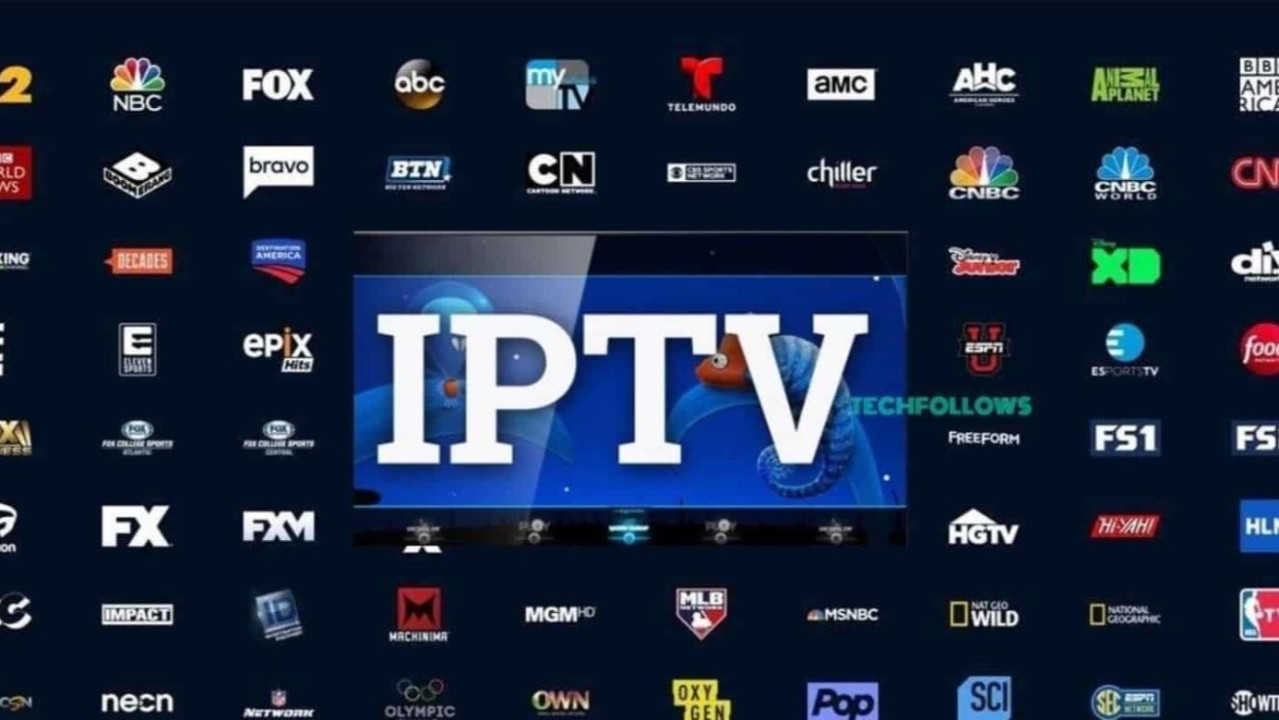
Furthermore, IPTV is contributing to the globalization of television content. With access to international channels and programming, IPTV breaks down geographical barriers, allowing viewers to enjoy content from around the world. This global reach is expanding the variety of entertainment options available, giving consumers more choices and fostering cultural exchange through television.
In conclusion, IPTV is a transformative force in the television industry, revolutionizing content delivery, consumer choice, streaming quality, and global access. As the future of television broadcasting continues to evolve, IPTV is at the forefront of this change, offering a more flexible, cost-effective, and high-quality viewing experience.