Categories
Service

Leon Harris’ Transition from CNN to Washington’s Living Rooms

Leon Harris’s career trajectory stands as a powerful testament to adaptability, professionalism, and a genuine connection with audiences. Known for his composed and trustworthy presence on a major national network, Leon Harris transition from national news coverage to becoming a familiar face in Washington, D.C.’s living rooms highlights his commitment to impactful journalism and community engagement.

For many years, Harris earned widespread respect as a seasoned anchor delivering news with clarity, accuracy, and empathy. His calm demeanor and journalistic rigor helped him build a loyal viewership, as audiences across the country relied on him for timely and balanced reporting. Yet, despite a successful national career, Harris recognized the opportunity to deepen his connection with viewers by focusing on the stories that shape the daily lives of those in the nation’s capital.

Making the move to Washington, D.C., Leon Harris embraced the challenge of transitioning from a broad national platform to a more localized, yet no less critical, news environment. This shift enabled him to address the unique blend of political, social, and cultural issues that define the city. Anchoring local broadcasts allowed Harris to engage with stories on a more immediate level, reflecting the concerns and experiences of a diverse and vibrant community.

Washington, D.C., with its complex political landscape and rich social fabric, demands a journalist who can provide context and clarity without losing sight of the human impact behind the headlines. Harris’s extensive experience prepared him well for this role. His ability to communicate nuanced stories with authenticity and respect has resonated deeply with viewers who seek trustworthy news amid an often turbulent media environment.

The transition also speaks to Harris’s broader professional philosophy—journalism is not just about reporting facts but about fostering a dialogue between the news and the public. By anchoring in the nation’s capital, he has become a vital bridge connecting viewers with information that influences both local and national decisions. His approachable style helps demystify complex topics, making the news accessible and relevant to everyday audiences.

Beyond his on-air presence, Leon Harris has used this transition to engage more actively with the community. His openness about personal experiences, particularly related to health and recovery, has further strengthened his bond with viewers, adding a layer of authenticity that enriches his role as a trusted journalist.

Leon Harris’s move from national news to Washington’s living rooms represents more than a change of markets—it is a deliberate and thoughtful step toward meaningful, community-focused journalism. His journey underscores the evolving nature of news media and exemplifies how adaptability, integrity, and a sincere connection with viewers remain essential ingredients in a successful and impactful career.
Categories
Service

How Perioperative Echocardiography Saves Lives in Surgery – Insights by Dr. Harris

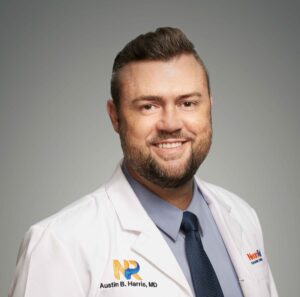
Perioperative echocardiography has emerged as a critical tool in modern surgical practice, providing real-time insights into cardiac function before, during, and after surgery. Dr. Austin Harris , a leading cardiologist and anesthesiologist, emphasizes that its use can significantly improve patient outcomes, reduce complications, and even save lives in high-risk surgical procedures.

Understanding Perioperative Echocardiography

Perioperative echocardiography refers to the use of ultrasound imaging to assess the heart during the surgical period. This technique includes both transthoracic echocardiography (TTE) and transesophageal echocardiography (TEE), with TEE being particularly valuable for intraoperative monitoring. By visualizing cardiac structures, valve function, and blood flow, surgeons and anesthesiologists can make informed decisions in real-time, ensuring that patients remain hemodynamically stable throughout the procedure.

Detecting Cardiac Complications Early

One of the most significant advantages of perioperative echocardiography is its ability to detect complications before they become life-threatening. Dr. Austin Harris notes that conditions such as left ventricular dysfunction, valvular abnormalities, or pericardial effusions can be identified early, allowing immediate intervention. This proactive approach can prevent intraoperative cardiac arrest, reduce postoperative morbidity, and improve survival rates, especially in patients with pre-existing cardiovascular disease.

Guiding Anesthesia and Surgical Decisions

Perioperative echocardiography also plays a vital role in guiding anesthesia and surgical management. By providing real-time feedback on cardiac output, ventricular filling, and volume status, anesthesiologists can tailor fluid therapy and drug administration to each patient’s unique needs. Surgeons benefit as well, as echocardiography can help assess the heart’s response to surgical maneuvers, ensuring that procedures are performed safely and effectively.

Enhancing Postoperative Care

The benefits of perioperative echocardiography extend into the postoperative period. Early detection of residual cardiac issues allows for timely interventions, reducing the risk of complications such as heart failure or arrhythmias. According to Dr. Harris, patients who undergo perioperative echocardiography are more likely to experience smoother recoveries and shorter hospital stays, highlighting its value beyond the operating room.

A Vital Tool for High-Risk Patients

High-risk patients, including those with pre-existing heart conditions, elderly individuals, and those undergoing complex surgeries, benefit most from perioperative echocardiography. The technique’s ability to provide precise, real-time cardiac assessments ensures that interventions are guided by data rather than assumption, ultimately saving lives.

Conclusion

Perioperative echocardiography represents a revolutionary advancement in surgical care. As Dr. Austin Harris emphasizes, its use allows for early detection of cardiac issues, precise management during surgery, and improved postoperative outcomes. For patients and clinicians alike, perioperative echocardiography is more than a diagnostic tool—it is a life-saving technology that continues to transform modern medicine.