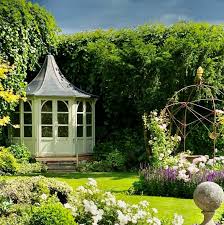
Before constructing a Garden houses (zahradní domky), it’s important to understand the planning permission requirements that may apply. While many garden houses can be built without formal approval, factors such as size, placement, usage, and local regulations can influence whether permission is needed. Navigating these essentials ensures a smooth and compliant project from start to finish.
Understand the Purpose and Scale
The intended use of the garden house plays a significant role in determining planning requirements. Structures used purely for recreational or storage purposes are often classified as “permitted development,” meaning they do not require planning permission if they meet specific conditions. However, if the garden house is intended as a home office, studio, guest room, or contains plumbing or electrical systems, it may be subject to additional scrutiny.
The size of the structure is equally important. Most regulations specify maximum height and floor area limits for permitted developments. Typically, a garden house should not exceed a certain square meter limit or be more than one story high. Exceeding these thresholds may require formal planning approval.
Location Matters
Where you place the garden house on your property can affect the need for permission. Building too close to property boundaries, roads, or neighboring structures may require additional permissions. Structures located in designated areas—such as conservation zones, heritage sites, or near protected trees—are often subject to stricter planning controls. It’s essential to check with local planning authorities to understand site-specific restrictions.
Design and Appearance Considerations
In some cases, the visual impact of the garden house on the surrounding environment may be a concern for planning departments. To avoid complications, choose materials, colors, and designs that harmonize with the main property and neighborhood. Maintaining a discreet and aesthetically consistent structure often helps streamline the approval process if required.
Consult Local Regulations Early
Every region has its own planning regulations, so it’s vital to consult with your local planning authority early in the process. They can provide clear guidance on what is permitted and what requires an application. If in doubt, submitting a formal planning application or obtaining a certificate of lawful development can provide peace of mind and legal clarity.
Conclusion
Understanding the planning permission essentials for garden house projects is crucial to avoiding legal issues and construction delays. By considering purpose, size, location, and local guidelines, homeowners can confidently move forward with building a garden house that enhances their property while remaining fully compliant.